
.jpg)
Pir Ghaib Waterfalls: A Legendary Oasis in Balochistan
Pir Ghaib Waterfalls, located 70 km from Quetta in the Bolan Valley, cascade down rugged mountains into serene streams and ponds shaded by palm trees. According to local legend, the saint Pir Ghaib disappeared into these arid lands while evading pursuit, leaving behind this miraculous waterfall. This natural wonder, steeped in history and folklore, offers visitors a tranquil escape and a glimpse into Balochistan’s mystical heritage.
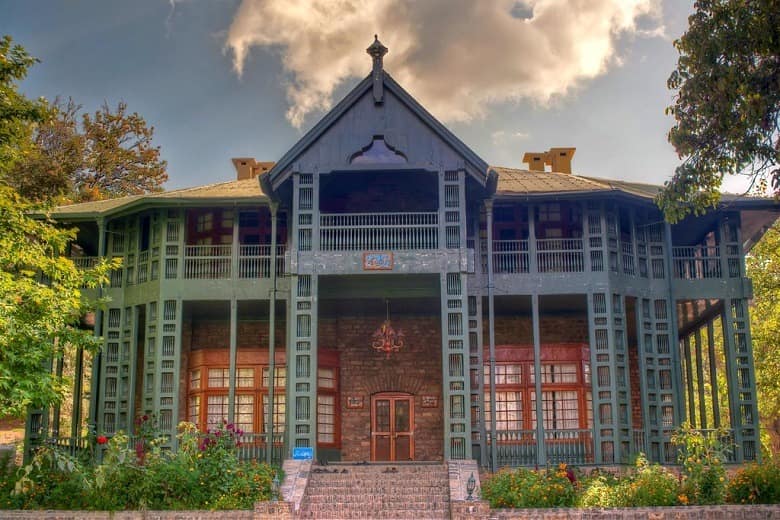
The Capital of Balochistan with a Rich History Quetta, the provincial capital and largest city of the Pakistani province of Balochistan, holds great historical and cultural significance. Formerly known as Shalkot, Quetta is the 10th largest city in Pakistan, with a population of 1,001,205 as per the 2017 census. In 1935, Quetta was tragically devastated by a massive earthquake, which destroyed much of the city. However, Quetta was rebuilt and has since emerged as an important hub in Balochistan.
The Fruit Basket of Pakistan with Scenic Beauty Quetta, often referred to as the “Fruit Basket of Pakistan”, is renowned for producing a wide variety of fruits including apples, cherries, peaches, plums, pomegranates, almonds, apricots, melons, and pistachios. The region’s fertile soil and favorable climate make it an agricultural paradise. Additionally, saffron thrives in the mountainous areas of Quetta, particularly at an altitude of around 5000 meters, where it is cultivated on a commercial scale. The city is also known for its natural tulips, which bloom in vibrant yellow and red colours. Quetta is further celebrated for its snow-capped mountains, which add to the city’s picturesque landscape. This city is completely safe to visit throughout the year, making it a perfect destination for nature lovers and adventurers. Undoubtedly, Quetta is a rich and culturally significant city in Balochistan.
| Province | Balochistan |
| Country | Pakistan |
| Area | 178 km2 |
| Population | 1,070,000.00 Approx |
 Quetta •
See nearby Hotels
Quetta •
See nearby Hotels
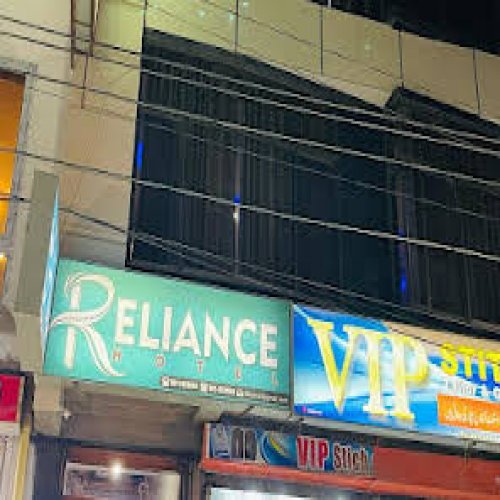
Reliance Hotel is located in Quetta. The hotel has a garden, a terrace, rooms with closet and balconies as well as offer continental breakfast to its guest.
Details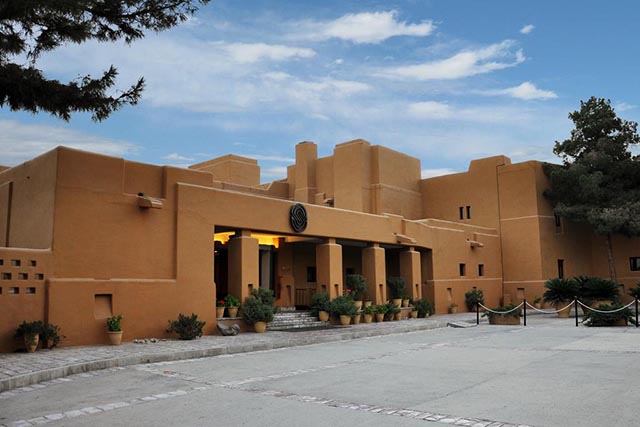
 Quetta •
See nearby Hotels
Quetta •
See nearby Hotels
Quetta Serena Hotel features air-conditioned accommodation in Quetta. Among the facilities of this property are a restaurant, a 24-hour front desk, room service, and free WiFi.
Details Quetta •
See nearby Hotels
Quetta •
See nearby Hotels
Jan Luxury Hotel is located in Quetta. The hotel features non-smoking rooms, a balcony for amusement, a terrace, beverages and food delivery services.
Details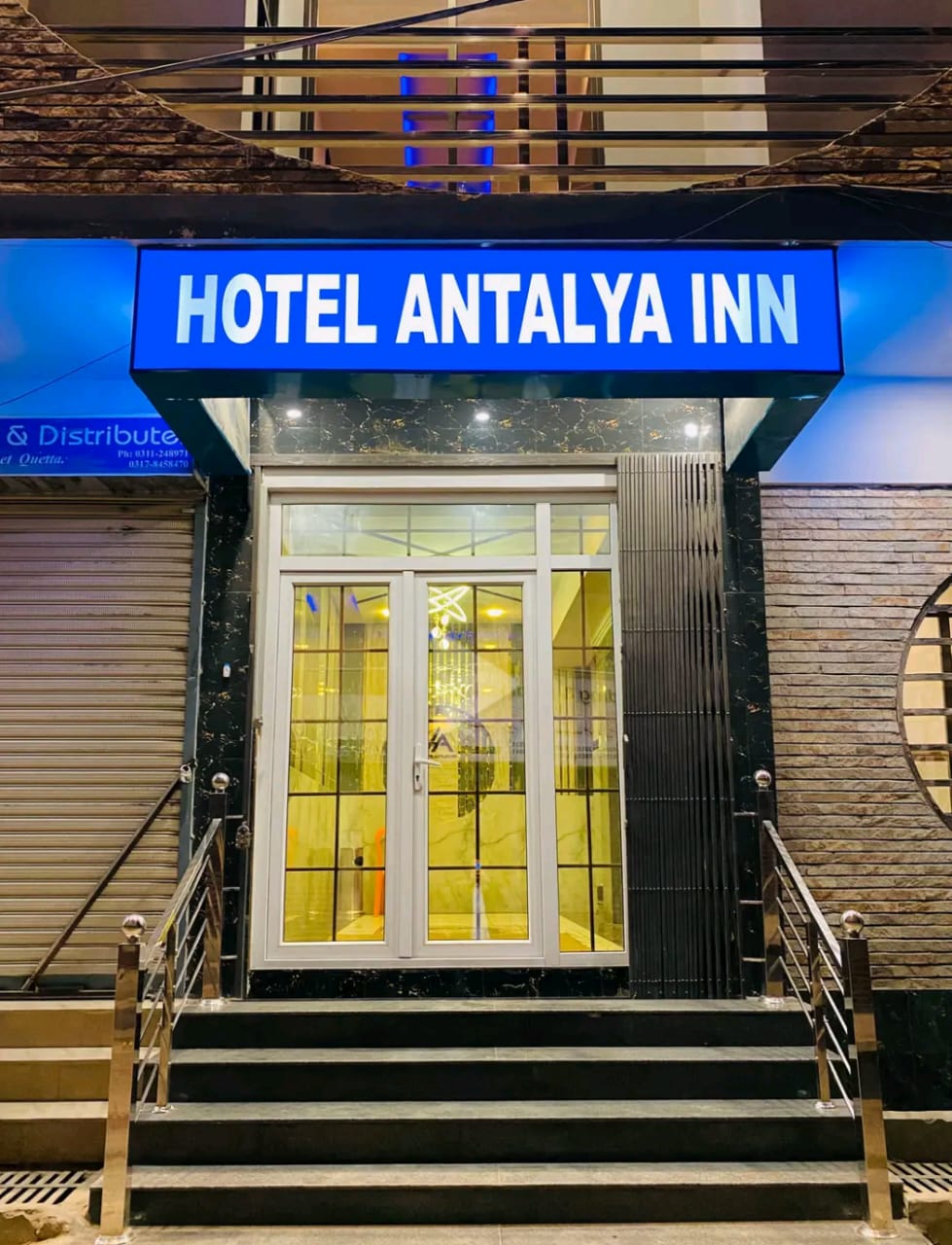
 Quetta •
See nearby Hotels
Quetta •
See nearby Hotels
Antalya Inn Hotel is located in Quetta. It is a 3-star hotel.
Details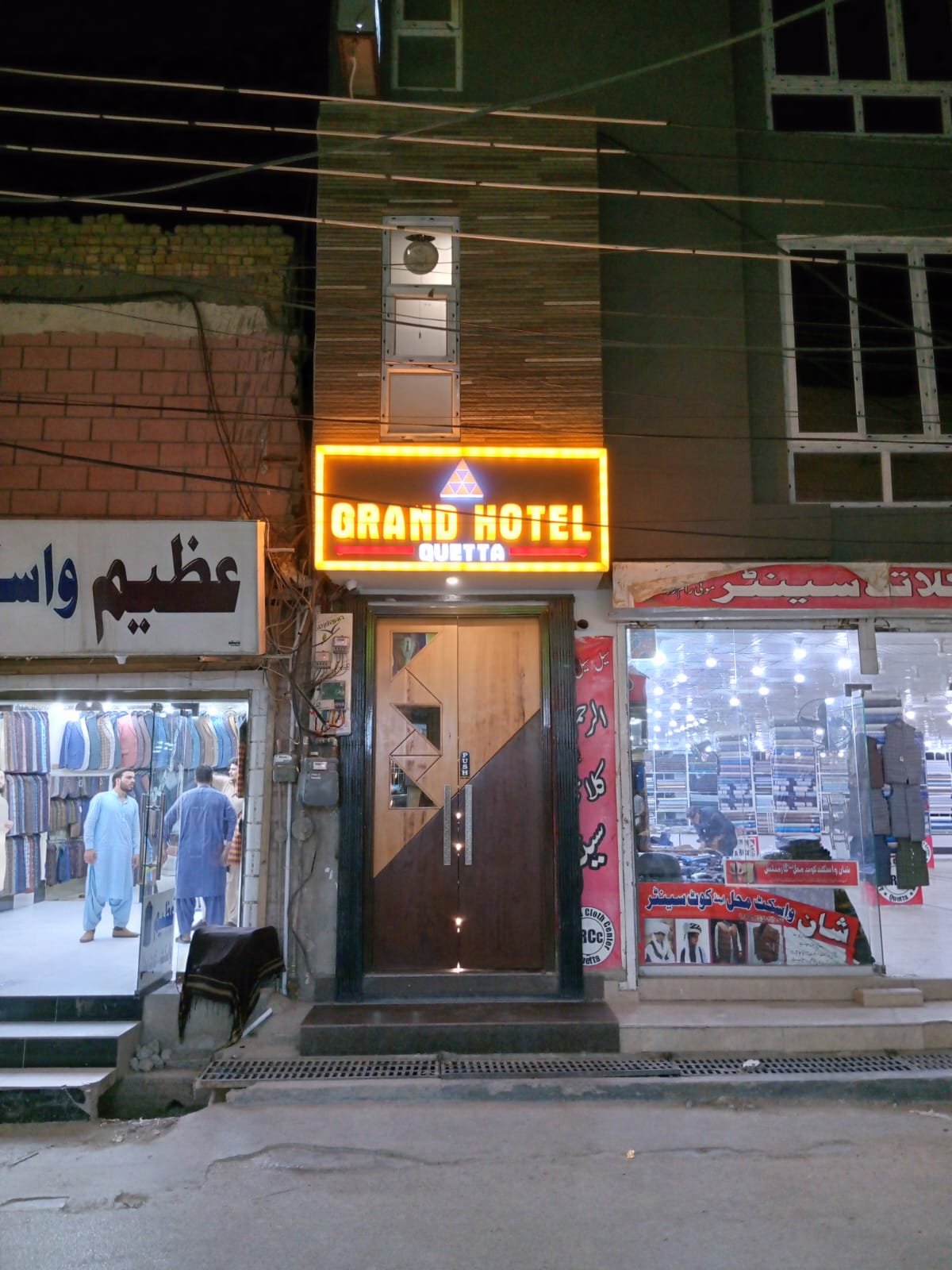 Quetta •
See nearby Hotels
Quetta •
See nearby Hotels
Grand Hotel Quetta is located in center of the city Quetta. It is a 3-star hotel.
Details
Quetta's nightlife is relatively calm and relaxed compared to other major cities in Pakistan. While it may not have a bustling party scene, the city offers a peaceful ambiance with cosy cafes, traditional restaurants, and local eateries that stay open late.
Quetta, the capital of Balochistan, is known for its serene and tranquil atmosphere, and its nightlife is reflective of this laid-back lifestyle. Unlike the bustling nightlife of major metropolitan cities, Quetta's evenings are calm and offer a unique charm for those looking to enjoy a peaceful night out. The city has a limited but inviting collection of traditional restaurants and local eateries where you can savou authentic Pashtun and Balochi dishes, like Sajji, Chapli Kebab, and Pulao. Many of these places stay open late, making it a great spot for a quiet dinner with friends or family. For those who enjoy exploring the local culture, Quetta has several outdoor spots where you can take a relaxing evening walk. The Hazarganji Chiltan National Park and surrounding scenic areas offer stunning views of the mountains, and some people enjoy hiking or simply sitting and appreciating nature as the city’s lights twinkle in the distance. The pleasant weather, especially in the cooler month.
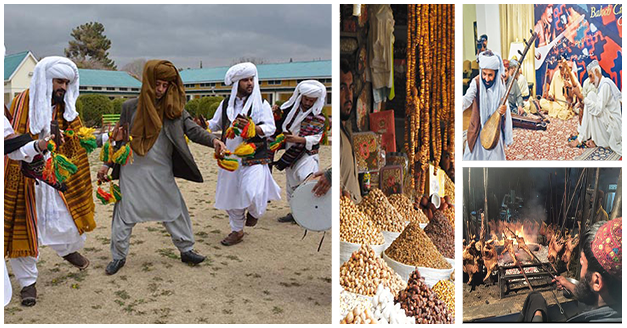
Quetta, the provincial capital of Balochistan, is home to a rich cultural landscape shaped by various ethnic groups, including Balochi, Pashtoon, and Brahvi. Although these communities speak different languages, their moral values, beliefs, literature, and practices share many similarities. The unifying force behind this harmony is Islam, which provides a foundation for social unity and a shared moral framework, cementing the bonds among the diverse groups in the region.
In Quetta's culture, loyalty and truthfulness are highly valued in all relationships. Unfaithful individuals are neither respected nor welcomed in the moral fabric of society, and betrayal is never forgotten. Fidelity, when met with treachery, leaves lasting consequences. Hospitality is a cornerstone of the region, especially among the Pashtoon, Brahvi, and Balochi tribes. Guests are treated with the utmost respect, often regarded as a gift from God. The hospitality is so profound that financially affluent families may even slaughter goats or sheep to honour their guests. In some areas, it is believed that the entire town shares responsibility for hosting a guest, illustrating the collective spirit of the tribes. This open-heartedness is a warm and generous trait that contrasts with the more reserved attitudes found in urban environments. In terms of attire, the Pashtoon, Brahvi, and Balochi people wear similar clothing with only slight differences. Men commonly wear turbans, knee-length shirts, and wide, loose shalwaras (akin to loose pants). Women, on the other hand, typically wear a classic shirt adorned with embroidery and spherical mirror pieces. A large dupatta or chaddar (a long, rectangular fabric) is draped over their shoulders and often covers the head, completing the traditional attire.
© Copyright traveldubai.pk 2024. All rights reserved
Made with by Journey Online