24/7 Support number +92 345 9668442

FlyPakistan: TOP Attractions in Pakistan

Explore the Tourist Attractions in Pakistan with Fly Pakistan. We provide quality & trustable tour management services all over Pakistan.
Visit Top Places Now.

Showing Results: 452
St Patrick’s Cathedral in Karachi

St Patrick’s Cathedral Karachi
Sindh

St. Patrick's Cathedral is indeed a popular destination for both locals and visitors, providing a peaceful environment for reflection and exploration. Its height of 52 meters and capacity to accommodate around 1,900 people highlights its grandeur. The architectural design of the cathedral, with its unique and beautiful features, makes it a notable site in Karachi. It's an excellent place to visit with family, offering a serene and calm atmosphere. Moreover, there are no entry restrictions for Muslim tourists, making it accessible to all visitors who wish to appreciate its cultural and spiritual significance.
D Ground Park in Faisalabad

D Ground Park Faisalabad
Punjab

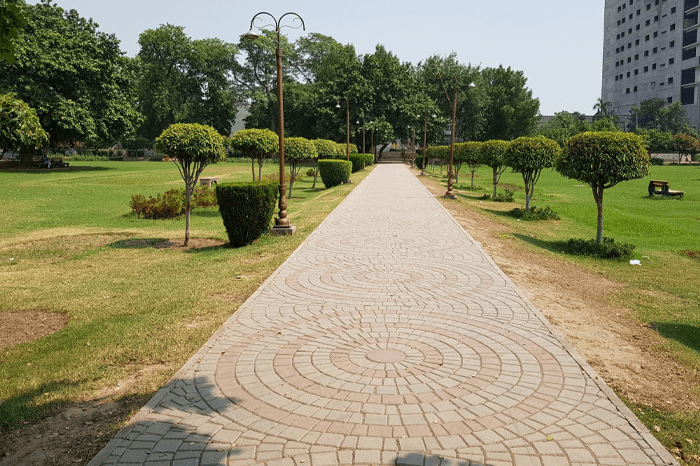
During Ramzan, especially before Eid ul Fitr and Eid ul Azha, local merchants and traders set up a large temporary Eid market in the area. These markets offer a range of Eid-related items, including costumes, dresses, bangles, shoes, decorations, ornaments, and sweets, attracting shoppers in preparation for the celebrations.

Malot Fort in Chakwal

Malot Fort Chakwal
Punjab

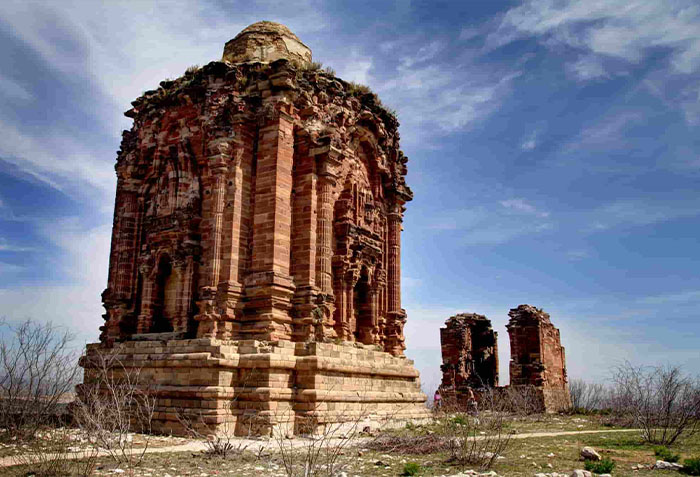
Historically, the area was known as Malik Kot, but its name transitioned to Mal-Kot and later to Malot, a change documented in Tuzk-e-Babri, the memoirs of the Mughal Emperor Babur. Malot Fort The Malot Fort, built around 980 AD, is a significant architectural marvel in the Salt Range. Its design represents a unique blend of Greek and Kashmiri architectural styles, reflecting the cultural influences of its time. The fort is a testament to the rich history of the region, dating back to the 10th century AD. Current State Like many historical sites in the Salt Range, the Malot Fort faces neglect and deterioration due to a lack of proper preservation efforts. Its once majestic walls and unique architecture are at risk, making it a site that urgently requires attention from heritage conservation authorities. Cultural and Historical Significance Malot Fort is not just an architectural treasure but also a symbol of the region's cultural heritage and historical importance. It offers insights into the early settlement patterns and architectural preferences of the era, making it an invaluable site for history enthusiasts and researchers alike. Visitors to the area can marvel at its unique design and imagine the grandeur it once held, though they should exercise caution due to the fort's deteriorating condition.

Bara Bagh Cemetery in Lasbela

Bara Bagh Cemetery Lasbela
Balochistan

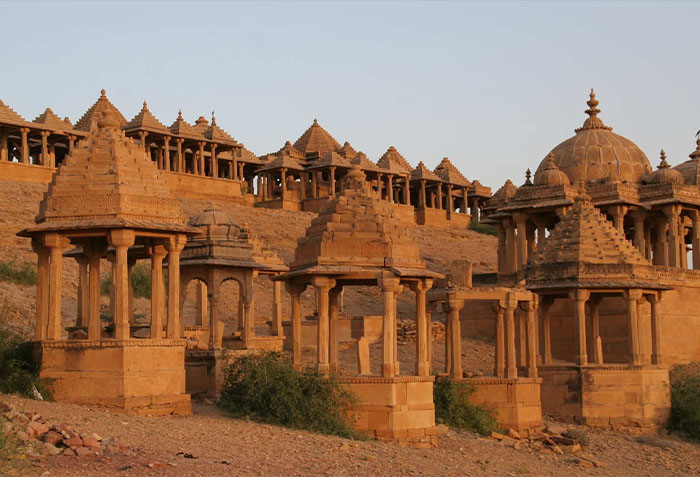
The cemetery contains over one hundred graves, with forty of them belonging to the Jams. Among the notable burials are Ghulam Qadir Khan (1920–1988) and Jam Mohammad Yousaf (1954–2013), who played significant roles in the history and governance of the region. Bara Bagh Cemetery is a testament to the rich cultural and historical heritage of Lasbela, serving as a reminder of the region's princely past and the legacy of its rulers.

Shahi Hammam in Lahore

Shahi Hammam Lahore
Punjab

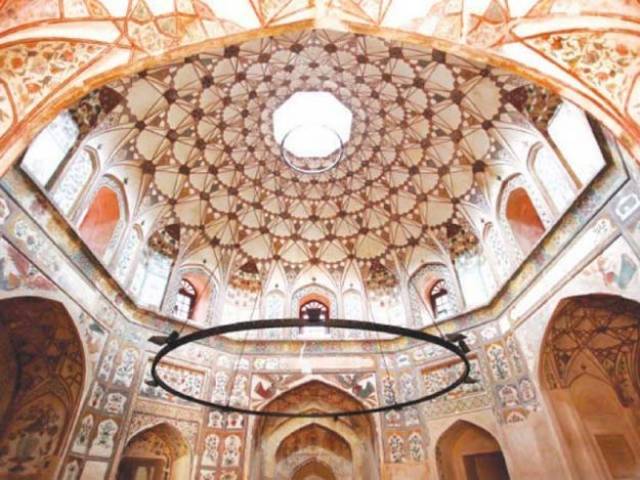
Situated near the Delhi Gate in Lahore, the Shahi Hammam, also known as Wazir Khan Hammam, dates back to 1635 CE. Constructed during Emperor Shah Jahan’s reign, this Persian-style bath features three main sections: the dressing area (Jama Khana), hot baths (Garm), and warm baths (Nim Garm). Designed for separate use by men and women, the hammam also includes a prayer room and a reception area. Restored to its former glory, the Shahi Hammam is a must-visit for those interested in Lahore's Mughal heritage.

Garhi Khuda Bakhsh in Larkana

Garhi Khuda Bakhsh Larkana
Sindh

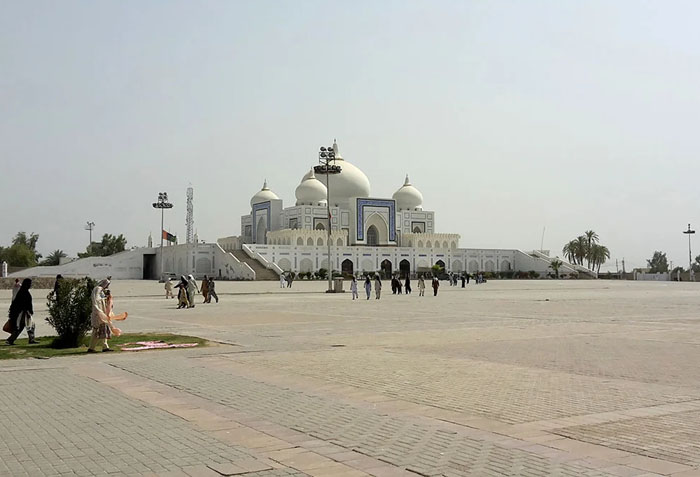
It is the location of the family graveyard and the mausoleum where prominent figures like Zulfiqar Ali Bhutto, his son Murtaza Bhutto, and his daughter Benazir Bhutto are buried. The Bhuttos were once a powerful feudal family, and Garhi Khuda Bakhsh became the final resting place for its most famous members. Zulfiqar Ali Bhutto, after being executed following a military coup, was buried there, as was his daughter Benazir Bhutto, who was assassinated in 2007. The mausoleum has become a place of pilgrimage, with hundreds of thousands of people visiting to pay their respects. The graveyard and mausoleum are a significant symbol of the Bhutto family's political legacy and hold deep emotional and historical value for many Pakistanis.

Pyala Lake in Naran

Pyala Lake Naran
KPK

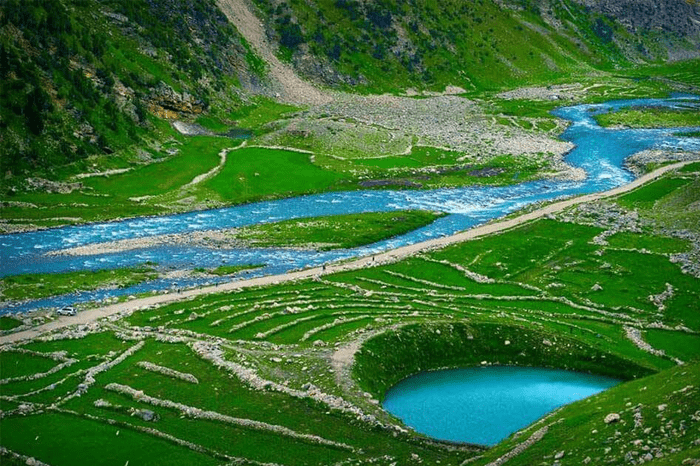
This scenic lake is notable for its location along the route to Lulusar Lake from Naran. According to local legends, Pyala Lake was formed when a shooting star fell into the area. The picturesque surroundings and the unique shape of the lake make it a must-visit spot. However, visitors are advised to only visit during the daytime, as entry is restricted after dark.

Shawala Teja Singh Temple in Sialkot

Shawala Teja Singh Temple Sialkot
Punjab

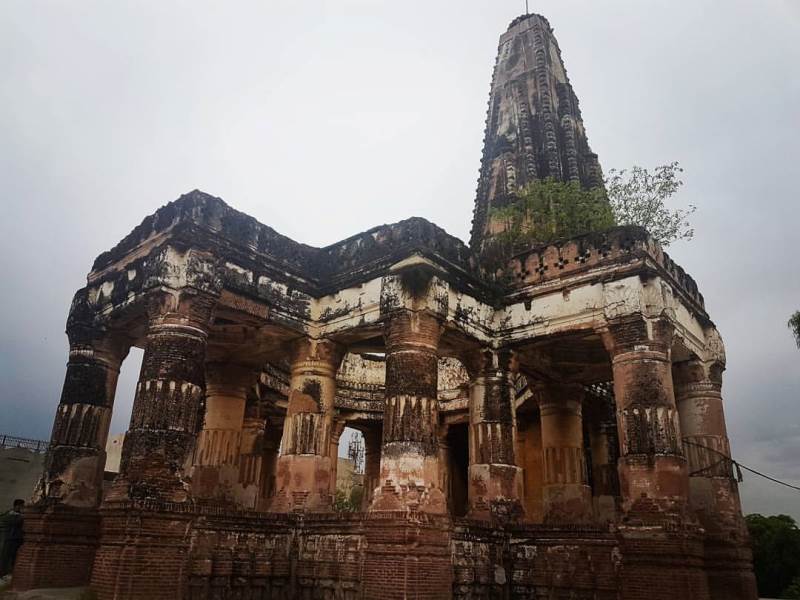
Built by Sardar Teja Singh, the temple was sealed during the 1947 Partition and partially damaged in 1992. Local efforts are underway to preserve and restore this architectural treasure, which serves as a poignant reminder of the region’s rich cultural and religious history.

Gojal Valley in Hunza

Gojal Valley Hunza
Gilgit Baltistan

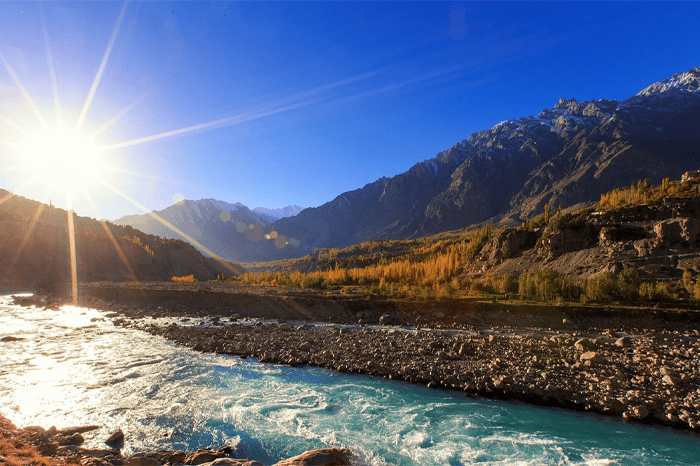
Located in the far northern region of Pakistan, Gojal Valley, also known as Upper Hunza, is renowned for its mesmerizing lakes and breathtaking landscapes. The valley borders Afghanistan’s Chapursan Valley and China’s Khunjerab Pass. One of its most notable attractions is Attabad Lake, formed by a massive landslide in 2010. This stunning lake has become a popular tourist destination, perfect for picnics and boating adventures. With its serene beauty, Gojal Valley is an ideal spot for nature lovers and adventure seekers alike.

Baltistan Wildlife Sanctuary in Skardu

Baltistan Wildlife Sanctuary Skardu
Gilgit Baltistan

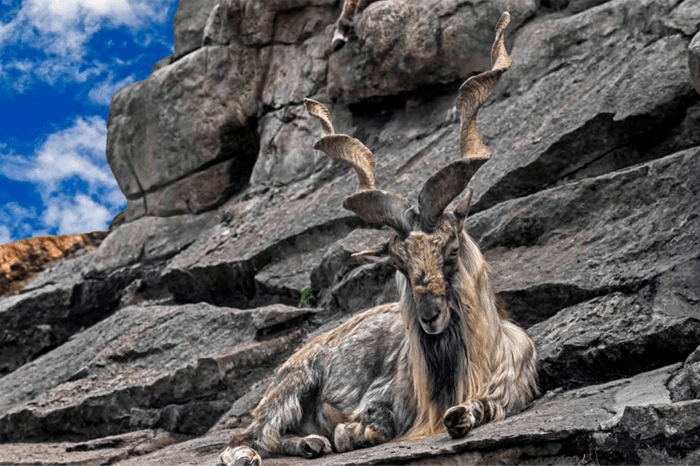
Located in the Skardu District, south of the Indus River, it lies between the settlements of Rondu and Shengus, and is adjacent to the Astore Wildlife Sanctuary to the south and east. Established in 1975, the sanctuary's primary goal is to protect endangered species that inhabit the area. Among the endangered animals found here are the snow leopard, brown bear, lynx, Tibetan wolf, Tibetan sand fox, markhor, bharal, and Siberian ibex. The sanctuary provides a safe haven for these species, making it an important conservation area.

Neela-Wahn in Chakwal

Neela-Wahn Chakwal
Punjab

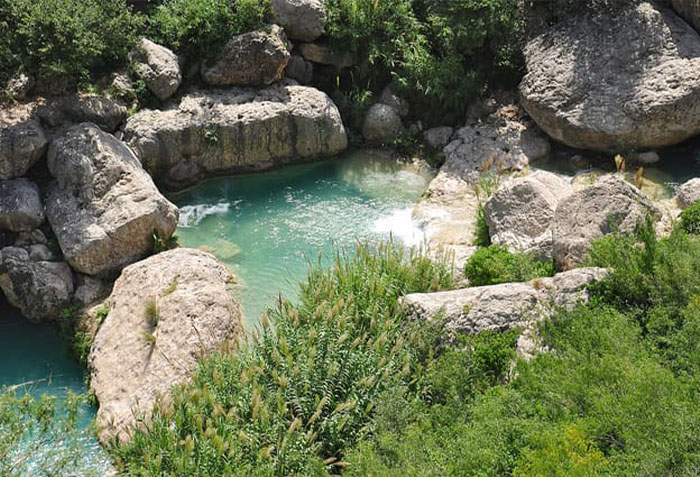
The name "Neela Wahn," derived from Urdu, translates to "Blue Pond," perfectly capturing the stunning blue hues of its crystal-clear waters. Locals lovingly refer to it as "Chashma Aab-e-Hayat," symbolising its purity and refreshing allure. This picturesque spot features a mesmerising saltwater lake, vibrant peacocks, and lush natural gardens, making it a popular attraction for nature lovers and adventure seekers alike. Situated just 125 kilometres from Rawalpindi, Neela Wahn is an ideal location for hiking, camping, and escaping the hustle and bustle of city life. With its natural waterfalls and freshwater streams, this tranquil haven offers a unique and rejuvenating experience for visitors, making it a must-visit destination in Kallar Kahar.

Tomb Of Nadira Begum: in Lahore

Tomb Of Nadira Begum: Lahore
Punjab

The Tomb of Nadira Begum, located in Lahore, Pakistan, is a unique Mughal-era monument dedicated to the wife of Prince Dara Shikoh, Nadira Banu Begum. Unlike traditional Mughal tombs set in lush gardens, this one is situated in a sunken water tank and lacks a dome. The surrounding grounds have transformed into a public park, popular for weekend cricket matches. Despite its historical significance, the tomb remains in a neglected state, awaiting restoration to its former grandeur.